



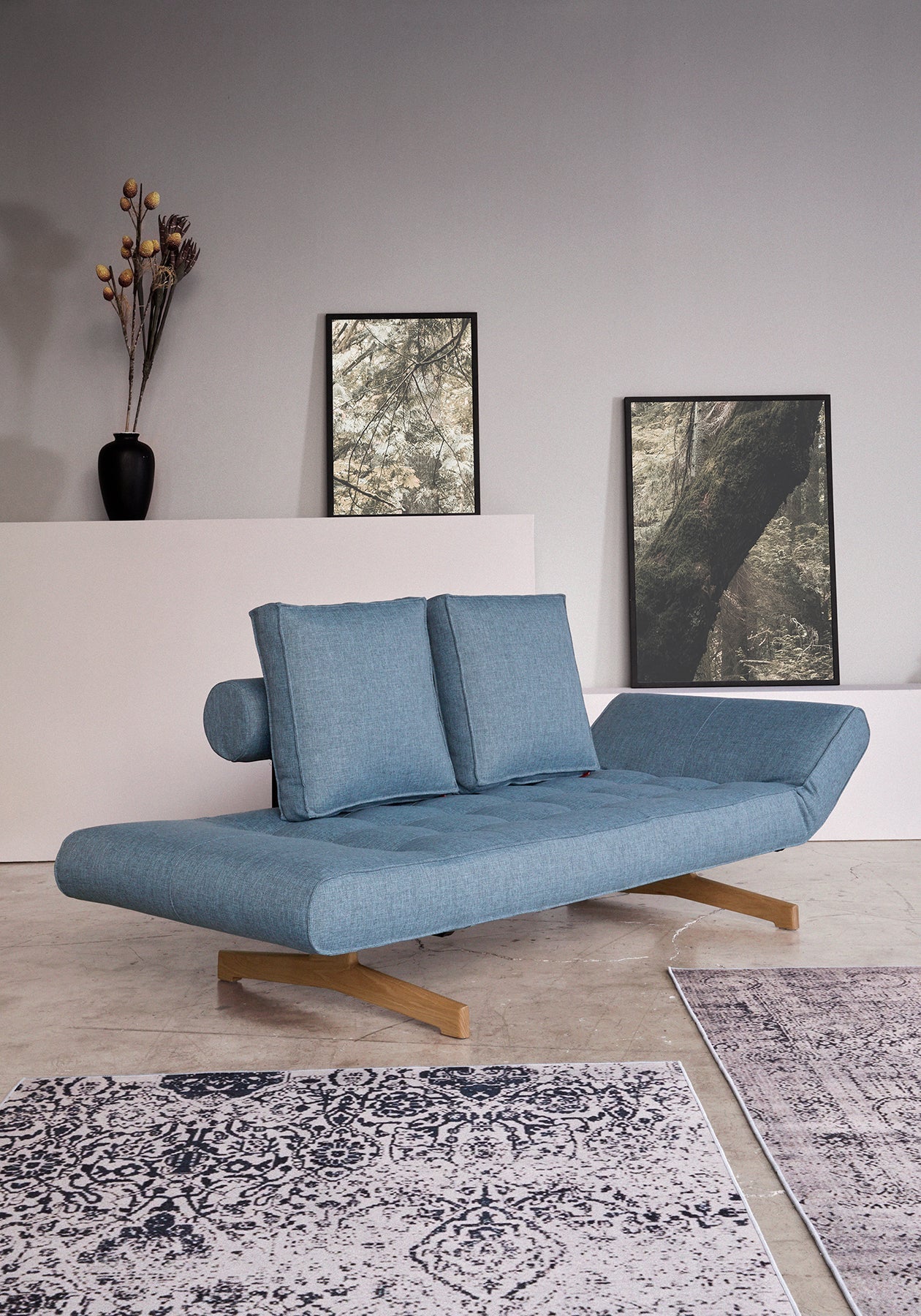


Modern vs Contemporary Design: The Key Difference Most People Miss
If you've ever browsed furniture online or visited a showroom, you've probably noticed the terms modern and contemporary used almost interchangeably. While they share some similarities, they're actually two distinct design styles with different histories, characteristics and aesthetics.
Understanding the difference can make it much easier to choose furnishings that complement your home and create a space you'll love long-term.
Whether you're updating your main bedroom or furnishing a new home, here's everything you need to know.

What is Modern Design?
Modern design is an interior design movement from the early to mid-20th century, defined by clean lines, minimal ornamentation and functionality. Despite its name, modern design isn't simply "current". Heavily influenced by the Bauhaus movement and Scandinavian design, modern interiors emphasise simplicity and timeless appeal, creating calm, uncluttered spaces where every piece serves a purpose.
Characteristics of Modern Design
The key characteristics of modern design are simple forms, natural materials and neutral colours, including:
- Clean, straight lines
- Understated decoration
-
Natural materials like timber and leather
- Neutral colour palettes
- Functional furniture
- Low-profile silhouettes
-
Open, airy spaces
In a modern bedroom, you'll find:
- Platform beds
- Simple timber bed frames
-
Matching bedside tables
- One or two carefully chosen artworks
- Soft, neutral bedding
-
Plenty of natural light
The overall feel is relaxed, balanced and classic.
What is Contemporary Design?
Contemporary design is an interior style that reflects current trends and, unlike modern design, isn't tied to a specific historical period. Instead, it evolves as popular colours, materials and styling preferences change.
Today's contemporary interiors often combine elements from several styles, including modern, Scandinavian, industrial, coastal and even traditional design. Bedroom trends also favour tactile finishes, earthy tones, natural materials and personalised spaces over stark, pared-back interiors.
Characteristics of Contemporary Design
The key characteristics of contemporary design are softer shapes, layered textures and popular finishes, including:
- Curved shapes mixed with clean lines
- Layered textures
-
Statement lighting
- Bold feature pieces
- Mixed materials
- Flexible layouts
- On-trend colours and finishes
A contemporary bedroom might include:
- An upholstered bed with a curved bedhead
- Timber mixed with matte black metal
-
Statement bedside lamps
- Bouclé or linen fabrics
- Large artwork
- Woven wool or jute rugs
- A warm colour palette

Modern vs Contemporary: the Main Differences
The main differences between modern and contemporary design are longevity, decoration, colour and furniture shape. Here's how the two styles compare at a glance:
|
Feature |
Modern Design |
Contemporary Design |
| Origin | An early to mid-20th-century movement influenced by Bauhaus and Scandinavian design | Not tied to any period; reflects what's popular today |
| Lines and shapes | Clean, straight lines and low-profile silhouettes | Curves and rounded edges mixed with clean lines |
| Decoration | Sparse, with every piece serving a purpose | Bold feature pieces, statement lighting and large artwork |
| Colour palette | White, grey, black, beige, soft earth tones and natural timber, with colour used sparingly | Olive, clay, terracotta, charcoal, navy and muted blues, with accents that change as trends shift |
| Materials | Natural timber and leather with smooth finishes | Mixed materials, such as timber with matte black metal, bouclé and linen |
| Longevity | Relatively consistent over time | Evolves every few years |
Four of these differences have the biggest impact on how your bedroom looks and how long the style lasts.
Modern Design Is Timeless
Modern furniture is less dependent on short-term trends, making it well suited to larger purchases such as a bed frame or tallboy that you plan to keep long-term. This makes modern furniture a practical choice for bigger purchases, such as a bed frame or tallboy, that you plan to keep long-term.
Contemporary Design Evolves
Contemporary design evolves because it reflects whichever interior styles are popular at the time. Today, that means curved furniture, warm metallic accents and soft, tactile fabrics, but in five years the look may be completely different, so it's worth choosing contemporary pieces you love rather than following every new look.
Modern Leans Towards Minimalism
Modern design leans towards minimalism by avoiding unnecessary decoration, so furniture is simple, accessories are limited, and everything feels intentional. It suits smaller bedrooms and apartments especially well, where fewer, well-chosen pieces help the space feel larger and calmer.
Contemporary Adds Personality
Contemporary design adds personality through layered textures, bold artwork, colour and mixed materials. The look stays uncluttered but feels softer and more expressive than modern interiors, making it ideal if you want your bedroom to reflect your own taste.
Furniture Differences
Modern and contemporary furniture differ mainly in shape and detail, from straight edges and simple finishes to curves and upholstery. Here's how they compare piece by piece:
|
Piece |
Modern Furniture |
Contemporary Furniture |
|
Bed |
Low timber platform bed |
Upholstered bed with a curved bedhead |
| Bedside tables | Straight-edged timber tables | Floating or rounded-corner designs |
| Storage | Clean-lined tallboys with smooth timber finishes | Organic shapes that mix timber, metal and fabric |
| Hardware | Discreet or handleless | Feature handles in matte black or warm metallics |
| Fabrics | Plain, neutral upholstery | Soft-touch fabrics such as velvet, bouclé and linen |
|
Lighting |
Simple lamps that blend into the room | Sculptural lamps that act as a feature |
Modern pieces stay functional without looking bulky, while contemporary pieces become part of the room's overall design.

Which Style Works Better for Australian Homes?
Both modern and contemporary design suit Australian homes beautifully, with the best fit depending on how much maintenance, colour and change you want. Both approaches can work well with common Australian home features such as open-plan layouts, natural light and relaxed indoor-outdoor styling.
Modern design works especially well if you love:
- Easy maintenance
- Classic designs
- Neutral interiors that make the most of natural light
-
Clean architecture for newer open-plan builds
Contemporary design is ideal if you enjoy:
- Following interior trends
- Updating décor occasionally
- Adding colour and texture
- Creating a personalised space
-
Relaxed coastal styling
Many Australian homeowners naturally blend the two. For example, you might choose a modern timber bed frame but style it with contemporary bedding, plush cushions and statement lighting.
Can You Mix Modern and Contemporary?
Absolutely, you can mix modern and contemporary design, and many of today's best-styled bedrooms combine elements of both.
Some easy combinations include:
- A modern platform bed paired with contemporary bedside lamps
-
Clean-lined furniture softened with relaxed linen bedding
-
Simple décor lifted by a bold feature wall
-
Neutral pieces complemented by on-trend accessories
This approach creates a bedroom that feels both timeless and current.
Choosing the Right Bed
The right bed (or sofa bed) sets the style of your bedroom because it's usually the largest piece of furniture in the room.
If you prefer modern design, consider:
- Timber platform beds
- Simple upholstered bedheads
- Neutral colours
- Clean, unfussy detailing
If contemporary is more your style, look for:
- Curved bedheads
- Soft upholstery
- Feature stitching
- Mixed timber and fabric finishes
- Statement bed designs
Choosing a quality bed in a versatile finish also gives you the flexibility to update your décor over time without replacing other pieces.

Modern or Contemporary: Which Should You Choose?
The choice between modern and contemporary design comes down to whether you prefer enduring simplicity or a look that evolves.
Modern design is minimal and rooted in a specific design movement, while contemporary design reflects today's trends and keeps developing with changing tastes.
If you appreciate clean lines and enduring simplicity, modern furniture is an excellent investment, while contemporary design offers endless ways to personalise your bedroom if you like keeping your home fresh.
Whichever direction you choose, investing in well-crafted beds and bedroom furnishings ensures your space remains comfortable, functional and beautiful for years to come.
Innovation Living's range of modern and contemporary sofa beds makes it easy to find a piece that suits your style. Browse our collection online or take the quiz to find your perfect furniture, then visit our Melbourne showroom to see (and feel) them in person!